Tips on Preventing Pool Algae
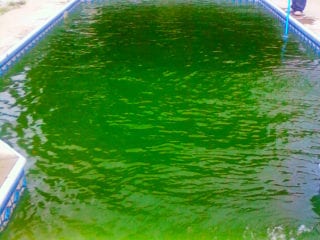 Algae or green water is a very common issues with swimming pools. There are a few, simple and easy steps to help prevent the growth of it in your pool before it begins. If you wait for too long it can take multiple types of pool chemicals and numerous days of waiting for it to go away.
Keeping algae spores out of your pool is impossible to do. However, keeping the spores from growing into algae blooms is the key to keeping your pool from turning green. Swimming in algae water is not safe or healthy for your family and friends. It can create skin issues such as rashes or if you have an open sore, it can create infection. If you were to ingest algae water, it could cause bacterial infections that could bring diarrhea and fever.
Step #1 – Be sure your pool’s circulation system is running correctly
This step is #1 for a reason as we feel that it’s one of the most important steps to help prevent algae from growing. Check the skimmer and pump strainer baskets regularly. This will keep the flow of the sanitizing chemicals even within your pool. Also be sure to clean or backwash your filter. Over time, filters become clogged with dirt and debris, and require some simple maintenance. No matter what type of filter you use, it is necessary to clean your cartridge filter or backwash your sand or D.E. filter whenever the pressure gauge reads 8-10 psi higher than normal. Routinely checking and cleaning your skimmer, pump, and filter will help keep your pool clean and algae free.
Step #2 – Use chlorine & ‘Shock’
Green pool water or visible algae usually equals lack of chlorine. So make chlorine your best friend when trying to prevent algae. If you do see algae starting to form in your pool, try ‘shocking’ your pool. This means you use a large amount chlorine at once. This will kill any algae that is forming within 1-3 days
Step #3 – Brush the walls and floor of the swimming pool
Keep your walls, corners, steps and floor of your pool free of algae by scrubbing them. This will reduce the kill time of the forming algae.
Step #4 – Balance the pool pH
Aim for pH levels between 7.2 and 7.6 to help your chlorine work most effectively. You can do this by using a swimming pool pH test that you can purchase at any local pool store. If the pH is above 7.6 — which is common during an algae bloom — add a pH reducer (such as sodium bisulfate) to your pool according to label instructions. Wait at least a couple hours, then test the pool again.
To enjoy your pool year-round, follow these simple steps to maintain a ‘green free’ pool. Or easily hire a pool maintenance professional to maintain and tackle all this for you.
read more A swimming pool is mostly known for its relaxing benefits; however, it can also be used for a great exercise tool. Simple exercises can help provide healing, gain muscle, improve strength, increase flexibility or burn some calories. If you have arthritis, back problems, joint pain, foot or knee pain, or are pregnant or obese, exercising in the water will greatly benefit you as the impact is MUCH less than on land. Water lessens the effects of gravity, so you’re able to move your body through a wider range of motion, which improves flexibility and helps heal. Below we provide you with a few simple basic moves that can get you started right away.
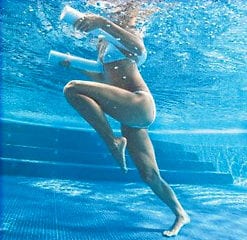 Running: Running in the water is a very basic yet effective exercise. Simply run back and forth, from wall to wall. Try to start with the water being at your waist level. However, by varying depth, it will either add or lessen the difficulty for you. This will help strengthen your core, legs and hips.
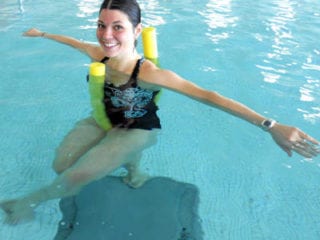 Standing Toe Touch: Stand chest deep in the water and raise one leg straight out in front of you. Try and touch your foot with your opposite hand, then switch legs. Try to keep your legs as straight as possible and do 3 sets of 10-12 on each leg.
 Decorations and music:
 Food:
Food: Recipe:
 Summer is officially in motion and filled with parties, fireworks and friends. If you’re a parent, you know keeping your kids busy during summer is the biggest challenge of the summer months. A pool is the perfect afternoon activity, especially on those hot summer Florida days and practicing pool safety will ensure a fun and successful summer. So, we offer you tips below on having the safest summer for you, your family and friends while you enjoy any swimming pool.